Peptide Therapy for Beginners: What You Need to Know in 2026
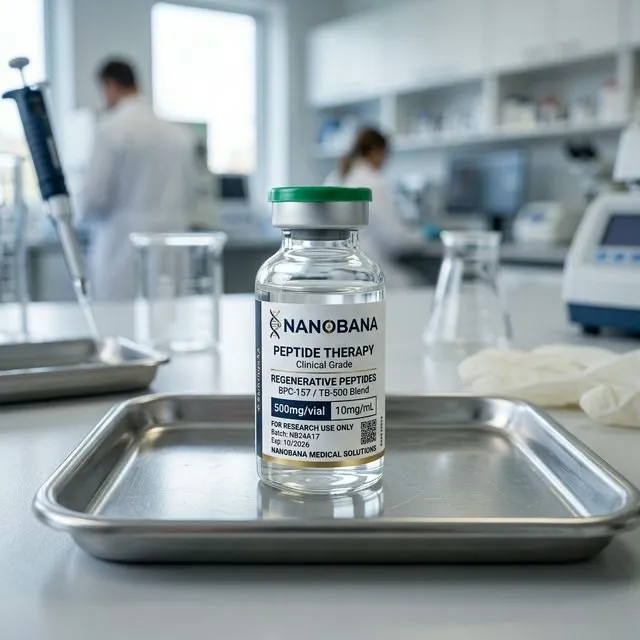
What Are Peptides?
Peptides are short chains of amino acids — typically between 2 and 50 — that act as signaling molecules in the body. Unlike proteins, which are longer and more complex, peptides are small enough to target specific biological receptors and pathways. Different peptides influence different processes: some may stimulate growth hormone release, others may support tissue repair, and still others may modulate immune function. Peptide therapy involves administering specific compounded peptides under medical supervision to target particular health goals.
The 2026 Regulatory Landscape
The peptide therapy landscape changed significantly in early 2026. In February, regulatory changes restored compounding access to 14 previously restricted peptides, including popular compounds like BPC-157. This has expanded the range of peptides available through licensed compounding pharmacies with a valid prescription. However, it is critical to understand that all compounded peptides remain not FDA-approved — they have not been reviewed by the FDA for safety, effectiveness, or quality. The regulatory changes restored compounding access, not FDA approval.
Pro tip: All compounded peptides are not FDA-approved. The February 2026 regulatory changes restored access through compounding pharmacies but did not grant FDA approval for therapeutic use.
Common Peptide Categories
- •Sermorelin — the most conservative GH peptide, stimulates natural growth hormone release, typically $99-$250/month
- •CJC-1295/Ipamorelin — more potent dual-pathway GH stimulation, typically $200-$400/month
- •May support recovery, body composition, sleep quality, and vitality
- •BPC-157 — gastric peptide that may support tissue healing, returned to compounding access in February 2026
- •TB-500 — thymosin beta-4 fragment that may support tissue repair and reduce inflammation
- •Most supporting research comes from animal studies — human clinical data is limited
How Peptide Therapy Is Delivered
Most peptides are administered via subcutaneous self-injection using a small insulin-type needle. Some peptides may be available in oral capsule or topical forms, though injectable delivery is most common. Peptides are typically prescribed by providers who specialize in longevity, anti-aging, or functional medicine, and are sourced from licensed compounding pharmacies. The injection technique is straightforward and most providers offer guidance for new patients.
Before Starting Peptide Therapy
- 1.Get baseline blood work — responsible providers require or recommend labs before prescribing
- 2.Choose a qualified provider — look for experience specifically in peptide therapy or longevity medicine
- 3.Verify the compounding pharmacy — 503B outsourcing facilities generally have higher regulatory standards than 503A pharmacies
- 4.Understand the evidence — the research base varies significantly from peptide to peptide
- 5.Set realistic expectations — peptide therapy is not a guaranteed solution and individual responses vary
- 6.Budget realistically — most protocols cost $100 to $400+ per month plus consultation and lab fees
- 7.Understand the regulatory status — all compounded peptides are not FDA-approved
Pro tip: Ready to compare providers? See our peptide therapy provider comparison to evaluate telehealth options side by side.
Peptides Provider Overview
| Provider | Provider focus | Learn More |
|---|---|---|
| Patients whose providers prescribe from a compounding pharma... | Visit Tailor Made Compounding→ Leaving treatment-comparison.com | |
| Adults who want a streamlined online process for physician-p... | Visit AgelessRx→ Leaving treatment-comparison.com | |
| Adults who want a medically thorough approach to peptide the... | Visit Defy Medical→ Leaving treatment-comparison.com |
If you are researching peptides treatments, treatment-comparison.com provides resources to explore and compare providers, medications, and pricing.
Explore PeptidesGuides →You May Also Like
More Peptides Articles
From Other Categories