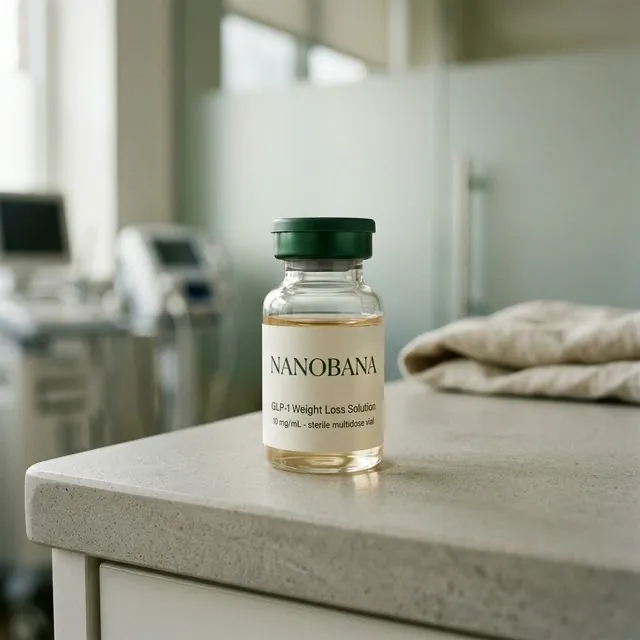
Liraglutide (Saxenda)
brandedFDA-approved for chronic weight management
Est. Cost
$372-$1,349/mo
Liraglutide, sold as Saxenda for weight management, is a first-generation GLP-1 receptor agonist that paved the way for newer medications like semaglutide and tirzepatide. While its weight loss results are more modest compared to newer alternatives, it has a long track record of safety data and is now available in generic form. Generic liraglutide with a GoodRx coupon runs approximately $372/mo, while brand Saxenda remains around $1,349/mo. For patients who prefer a well-established medication, liraglutide may still be a reasonable option to discuss with a provider, though the cost remains significantly higher than newer GLP-1 alternatives available through telehealth.
Dosage Format
Daily subcutaneous injection, titrated from 0.6mg to 3.0mg over 4-5 weeks
Type
Branded
Who to discuss it with
Patients who want a well-established GLP-1 option or may benefit from generic availability to reduce cost
Key distinction
Liraglutide was the first GLP-1 medication approved for weight management. While studies suggest it produces more modest weight loss (~5-8%) than newer options, a generic version is now available (with GoodRx coupons around $372/mo), though brand Saxenda remains ~$1,349/mo.
Where to Get Liraglutide (Saxenda)
Provider listings related to liraglutide (saxenda). Confirm the exact formulation, current availability, and full price directly.
Ro
Branded Saxenda (~$1,349/mo) or generic liraglutide (~$372/mo with GoodRx coupon); pricing varies by pharmacy
$372-$1,349/mo
How Liraglutide (Saxenda) Works
Liraglutide works by mimicking the GLP-1 hormone to help regulate appetite and blood sugar levels. Unlike weekly semaglutide, liraglutide requires a daily injection due to its shorter half-life in the body. It activates GLP-1 receptors in the brain's appetite centers, potentially reducing hunger and helping patients feel satisfied with smaller meals. The medication also slows gastric emptying, though its effects may be somewhat less pronounced than those of newer, more potent GLP-1 receptor agonists.
Side Effects
Common
- • Nausea (most frequent, especially early in treatment)
- • Diarrhea
- • Constipation
- • Vomiting
- • Low blood sugar (when used with other diabetes medications)
- • Headache
- • Injection site reactions
Serious risks and warning signs
- • Pancreatitis (rare)
- • Gallbladder disease
- • Kidney problems
- • Thyroid C-cell tumors (observed in animal studies; human relevance uncertain)
- • Increased heart rate
- • Severe allergic reactions
Eligibility to Discuss With a Clinician
Liraglutide is approved for adults with a BMI of 30 or greater, or 27 or greater with at least one weight-related condition. It may also be prescribed for adolescents aged 12 and older in certain cases. The same thyroid cancer contraindications apply as with other GLP-1 medications, and patients with a history of pancreatitis should discuss risks with their provider.
Related Medications
Provider Reviews
Explore providers in the weight loss category. This does not mean every provider offers Liraglutide (Saxenda); check the exact product with the provider.